
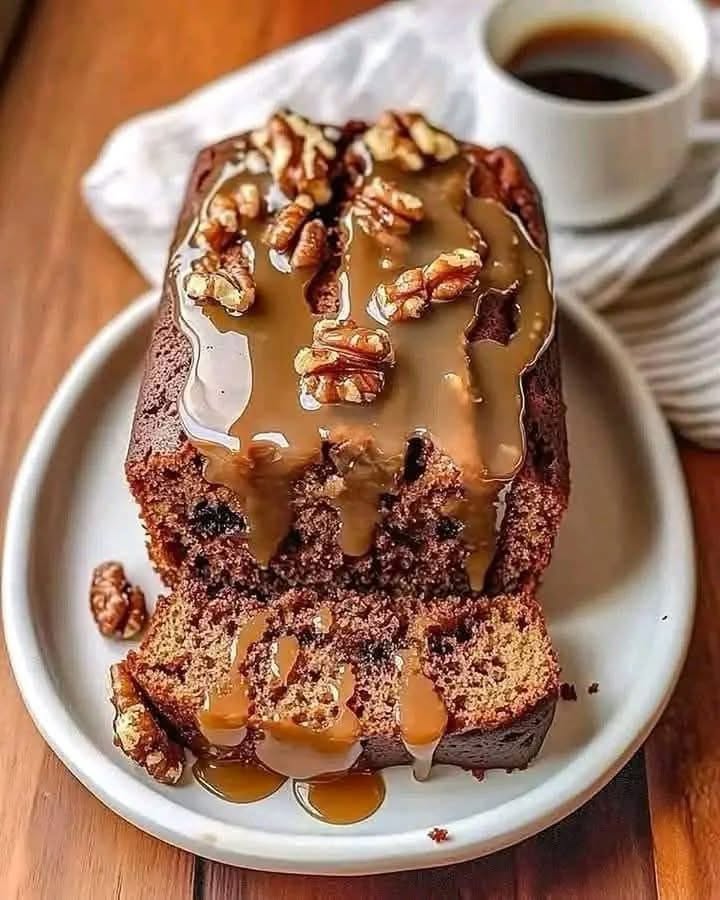
Let me tell you about the day I accidentally spilled my morning espresso right onto my baking counter—and instead of cleaning it up, I stirred it straight into a cake batter. That happy mess became my family’s favorite dessert: a Delicious Espresso Cake Delight with a silky glaze that tastes like your favorite café wrapped in a hug. If you’ve ever craved something rich, moist, and just sweet enough—without going over the top—this is your recipe. And trust me, even my kids (who swear they “hate coffee”) sneak slices when they think I’m not looking!
The Humble Origins of Espresso Cake
Espresso-flavored desserts have European roots—think Italy’s love affair with tiramisu or French mocha gâteaux. But espresso cake as we know it? That’s a modern twist born in cozy home kitchens like mine. It started as a way to use leftover espresso or give classic coffee cake a bolder, deeper kick. Over time, bakers swapped brewed coffee for instant espresso powder (more concentrated, less watery!) and added creamy glazes for that irresistible finish. My version? It’s tested through countless Sunday brunches, birthday parties, and one particularly dramatic bake-off with my sister-in-law. Spoiler: I won.
Why You’ll Absolutely Love This Delicious Espresso Cake Delight
This isn’t just another cake—it’s a mood booster with crumbs. The sponge is tender and springy, packed with the deep, roasted aroma of espresso that wakes up your senses without overwhelming your sweet tooth. The glaze? Smooth, glossy, and just caffeinated enough to make you smile. Best of all? It’s surprisingly simple. No fancy equipment, no temperamental ingredients. Just honest-to-goodness baking that delivers big flavor with minimal fuss. Plus, it smells like your favorite coffee shop while it bakes—worth it just for the kitchen ambiance!
Perfect Occasions for This Espresso Cake
- Brunch gatherings—serve with fresh berries and extra coffee.
- After-dinner dessert—a sophisticated finish to a simple meal.
- Office potlucks—always disappears first (I’ve seen it happen).
- Rainy-day comfort—warm, fragrant, and cozy in every bite.
- Gift baking—wrap it in parchment and twine for a thoughtful homemade present.
Ingredients You’ll Need
For the Cake:
- ½ cup unsalted butter, softened
- 1 cup granulated sugar
- 2 large eggs
- 1½ cups all-purpose flour
- 1½ teaspoons baking powder
- ½ teaspoon salt
- ½ cup milk
- 2 tablespoons instant espresso powder dissolved in 1 tablespoon hot water
- ½ cup chopped nuts (walnuts or pecans work beautifully)
For the Creamy Espresso Glaze:
- 1 cup powdered sugar
- 1 tablespoon instant espresso powder
- 1 tablespoon hot water
- 1 to 2 tablespoons milk (add gradually for desired consistency)
Easy Ingredient Swaps
No nuts? Skip them or use toasted coconut for crunch. Dairy-free? Swap butter for vegan butter and milk for oat or almond milk—the espresso flavor still shines. Out of instant espresso? Use very strong brewed coffee (reduce to 1 tablespoon to avoid extra liquid). And if you’re watching sugar, try a natural sweetener like monk fruit blend—but note the texture might be slightly denser.
How to Make Your Delicious Espresso Cake Delight
Step 1: Prep and Preheat
Start by preheating your oven to 350°F (175°C). Grease a 9×5-inch loaf pan and line it with parchment paper—this little trick ensures your cake slides out cleanly, no wrestling required. As the oven warms, the smell of possibility fills the air. I always take this moment to pour myself a tiny espresso… for “quality control,” of course.
Step 2: Cream Butter and Sugar
In a large bowl, beat the softened butter and granulated sugar until light, fluffy, and pale—about 3 minutes with a hand mixer. You’ll see the texture transform from greasy to cloud-like. This step traps air, giving your cake that spongy lift we all crave. Pro tip: Butter should dent when pressed but not melt. If it’s oily, chill it for 5 minutes first.
Step 3: Add Eggs One by One
Crack in your eggs one at a time, beating well after each addition. Don’t rush this! Adding them slowly keeps the emulsion stable. You’ll notice the batter turning glossy and thick—like a smooth velvet ribbon. If it looks curdled, your butter might’ve been too warm; a splash of flour can rescue it.
Step 4: Whisk Dry Ingredients
In a separate bowl, whisk together flour, baking powder, and salt. This ensures even rising and no salty pockets. I always do this over the sink—in case my 4-year-old “helps” and knocks the bowl over. Prevention is key in a busy kitchen!
Step 5: Mix Espresso with Milk
Stir your dissolved espresso (2 tbsp powder + 1 tbsp hot water) into the milk. It’ll turn a deep brown, releasing that intoxicating coffee aroma. This liquid base carries flavor deep into the crumb—no bland bites here!
Step 6: Alternate Wet and Dry
Now, gently fold the dry ingredients and espresso-milk into the butter mixture in three parts: start and end with flour. Begin with ⅓ flour, mix until just combined, then ½ milk, then flour, milk, and finally flour. Overmixing = tough cake. Think “gentle folds,” not “vigorous stir.”
Step 7: Fold in Nuts
Use a spatula to fold in chopped nuts with wide, sweeping motions. You want them evenly scattered—not sunken at the bottom. I love the little crunch they add, like edible confetti. Chef’s tip: Toast the nuts first for extra aroma—just 5 minutes in a dry skillet!
Step 8: Bake to Perfection
Pour batter into your prepared pan and smooth the top. Bake 45–55 minutes, or until a toothpick inserted in the center comes out clean. The cake will rise proudly, crack slightly on top, and fill your home with a scent that makes neighbors ring your doorbell “by accident.” Let it cool in the pan 10 minutes before transferring to a wire rack—patience prevents breakage!
Step 9: Make the Glaze
While the cake cools, whisk powdered sugar, espresso powder, and hot water until smooth. Add milk, one teaspoon at a time, until it’s thick but pourable—like heavy cream. Too thin? Add more sugar. Too thick? A drop more milk. Drizzle generously over the cooled cake and let it drip down the sides like edible art.
Timing at a Glance
- Prep time: 15 minutes
- Bake time: 45–55 minutes
- Cooling time: 1 hour (30 min in pan, 30 min on rack)
- Total time: About 1 hour 45 minutes
Chef’s Secret for Maximum Flavor
Use **double-strength** instant espresso! Mix 2 tablespoons of powder with just 1 tablespoon of hot water—it concentrates the coffee flavor without adding excess moisture. Most bakers use weak espresso and wonder why their cake tastes faint. Not you!
Fun Fact About Espresso in Baking
Espresso doesn’t just add coffee flavor—it enhances chocolate, balances sweetness, and deepens overall richness. Even in non-chocolate cakes (like this one!), it adds complexity. Fun fact: Italians often add a pinch of espresso powder to tomato sauces for depth—same principle!
Necessary Equipment
- 9×5-inch loaf pan
- Hand or stand mixer
- Two mixing bowls
- Whisk and spatula
- Parchment paper
- Wire cooling rack
How to Store Your Espresso Cake
At room temperature, your glazed cake stays fresh for up to 3 days if covered well. I use a cake dome or an inverted bowl—no plastic wrap touching the glaze, or it’ll get sticky. The espresso flavor actually deepens overnight, making day-two slices even better.
For longer storage, wrap the unglazed cake tightly in plastic, then foil, and freeze for up to 2 months. Thaw at room temperature, then glaze fresh—it’ll taste like it just came out of the oven. Never freeze a glazed cake; the glaze can weep or crack.
If your kitchen is humid or warm, store the cake in the fridge—but bring it to room temp before serving. Cold cake mutes flavors, and we want every bite to sing with espresso warmth!
Tips to Make It Even Better
- Use room-temperature eggs and milk—they blend smoother and trap more air.
- Don’t open the oven door during the first 30 minutes; it can cause sinking.
- Let the cake cool completely before glazing—warm cake melts the glaze into a puddle.
- Add a pinch of cinnamon to the dry ingredients for cozy warmth.
Presentation Ideas That Wow
- Dust with cocoa powder before glazing for a marbled effect.
- Garnish with espresso beans (food-safe, decorative ones).
- Serve on a rustic wooden board with mini spoons for “coffee break” vibes.
- Drizzle with melted dark chocolate after the glaze sets.
- Pair with whipped cream and a tiny coffee cup on the side.
6 Healthier Variations to Try
Want a lighter version? Here are delicious twists that keep the espresso soul intact:
1. Whole Wheat Espresso Cake
Swap half the all-purpose flour for whole wheat pastry flour. It adds nuttiness and fiber without heaviness. Add 1 extra tablespoon of milk to keep it tender.
2. Sugar-Smart Version
Replace half the sugar with unsweetened applesauce. The cake stays moist, and you cut refined sugar without losing structure. Glaze with half powdered sugar, half Greek yogurt.
3. Gluten-Free Espresso Loaf
Use a 1:1 gluten-free flour blend (like King Arthur or Bob’s Red Mill). Add ½ teaspoon xanthan gum if your blend doesn’t include it. Texture stays soft and spongy.
4. Vegan Espresso Delight
Use flax eggs (2 tbsp ground flax + 5 tbsp water = 2 eggs), vegan butter, and almond milk. The glaze? Powdered sugar, espresso, and almond milk—still creamy and dreamy.
5. Protein-Packed Cake
Add ¼ cup vanilla or unflavored whey protein isolate to the dry ingredients. Reduce flour by ¼ cup to balance. Perfect for post-workout dessert cravings!
6. Dairy-Free Nut-Free Version
Swap butter for coconut oil, milk for oat milk, and skip nuts. Add ½ cup shredded zucchini (squeezed dry) for moisture—it disappears into the crumb!
Common Mistakes to Avoid
Mistake 1: Using Cold Butter
Cold butter won’t cream properly with sugar, leading to a dense, greasy cake. The magic happens when softened butter traps air—creating lift and fluff. Always leave butter out 1–2 hours before baking. If you’re in a rush, cut it into cubes and let it sit for 30 minutes. Your sponge will thank you!
Mistake 2: Overmixing the Batter
Once flour hits the wet ingredients, gluten starts developing. Overmixing = tough, rubbery cake instead of tender crumb. Mix only until you see no dry streaks. A few lumps are fine—they’ll melt in the oven. Use a spatula, not a mixer, for the final folds.
Mistake 3: Glazing a Warm Cake
Hot cake melts glaze into a sticky, runny mess that soaks in instead of coating. Always let your cake cool completely—about 1 hour on a wire rack. Test by touching the bottom; if it’s room temp, you’re good. This ensures that beautiful, glossy finish.
Mistake 4: Skipping the Espresso Dissolve Step
Dumping dry espresso powder straight into batter leaves bitter, gritty pockets. Always dissolve it in hot water first—it blooms the flavor and blends smoothly. Think of it like making a tiny coffee shot just for your cake!
Mistake 5: Ignoring Oven Hot Spots
Most home ovens run unevenly. If your cake browns too fast on top but stays raw inside, tent it loosely with foil at the 30-minute mark. Rotate the pan halfway through baking for even color. And always use an oven thermometer—mine runs 25°F hot!
Frequently Asked Questions
Can I use regular coffee instead of espresso powder?
Yes, but it’s less concentrated. Use 2 tablespoons of very strong brewed coffee (reduced if needed) to replace the dissolved espresso. Keep total liquid volume similar, or your cake may turn gummy. Instant espresso gives deeper flavor with minimal moisture—ideal for baking.
Why did my cake sink in the middle?
Sinking usually means underbaking, too much leavener, or opening the oven too early. Bake until a toothpick comes out clean, measure baking powder carefully (spoon it in, don’t scoop!), and resist peeking before 35 minutes. A gentle tap on the counter after baking also helps settle air pockets.
Can I make this cake ahead of time?
Absolutely! Bake, cool, and store unglazed cake wrapped tightly for 2 days at room temp or freeze for 2 months. Glaze the day you serve—it looks fresher and stays shiny. Many say the flavor improves after 24 hours as espresso notes mellow and blend.
Is this cake safe for kids?
Yes! Baking neutralizes most caffeine, leaving just the rich coffee flavor. A whole loaf contains less caffeine than a cup of decaf. My kids devour it—and have never had jitters. If you’re extra cautious, reduce espresso to 1 tablespoon.
What nuts work best?
Walnuts add earthy crunch, pecans bring buttery sweetness, and almonds offer a delicate bite. Toast them first for maximum flavor. Nut-free? Use seeds like pepitas or sunflower, or skip altogether—the cake still shines.
Can I double the recipe?
Yes, but use two loaf pans or one 9×13-inch pan. Baking time will increase slightly—start checking at 50 minutes. Don’t double in one loaf pan; it’ll overflow. Pro tip: freeze one loaf for later—it’s your future self’s gift!
Why is my glaze too thin?
Too much liquid! Add more powdered sugar, 1 tablespoon at a time, until it thickens. Humidity affects glaze—on rainy days, start with less milk. Aim for “honey-like” consistency: it should ribbon off the spoon and hold shape briefly.
Can I add chocolate chips?
Definitely! Fold in ½ cup mini chocolate chips with the nuts. They’ll melt slightly, creating gooey pockets. Use dark chocolate to complement the espresso—it’s like mocha in cake form. Don’t exceed ¾ cup, or the batter gets heavy.
Does altitude affect this recipe?
At high altitudes (above 3,000 ft), reduce baking powder to 1 teaspoon, increase liquid by 1–2 tablespoons, and lower oven temp to 325°F. Bake 5–10 minutes longer. Espresso flavor remains strong—it’s surprisingly altitude-resilient!
How do I know when it’s done?
Beyond the toothpick test: edges pull slightly from pan, top springs back when gently pressed, and internal temp reads 200–205°F. If it jiggles like custard, it’s underdone. Better to overbake by 2 minutes than under—espresso cake stays moist even when fully cooked.
A Final Slice of Joy
This Delicious Espresso Cake Delight isn’t just dessert—it’s a little ritual of warmth, aroma, and comfort. Whether you’re baking for one or a crowd, it delivers that perfect balance: rich but not heavy, caffeinated but not bitter, sweet but not sugary. So go ahead—spill a little espresso on purpose next time. Your oven (and your taste buds) will thank you. And when you slice into that tender crumb, drizzled with creamy glaze? That’s the sound of happiness, one bite at a time.
Delicious Espresso Cake Delight
Ingredients
Equipment
Method
- Preheat your oven to 350°F (175°C) and grease a 9x5-inch loaf pan, lining it with parchment paper.
- In a large bowl, cream together the softened butter and granulated sugar until light and fluffy.
- Add eggs one by one, beating well after each addition.
- In another bowl, whisk together the flour, baking powder, and salt.
- Stir the dissolved espresso into the milk.
- Gently alternate adding the dry ingredients and the espresso-milk mixture into the butter mixture, starting and ending with flour.
- Fold in the chopped nuts using a spatula.
- Pour the batter into the prepared pan and smooth the top.
- Bake for 45–55 minutes, or until a toothpick comes out clean from the center.
- Let the cake cool in the pan for 10 minutes before transferring it to a wire rack.
- While cooling, whisk together powdered sugar, espresso powder, and hot water until smooth, then add milk gradually to reach desired consistency.
- Drizzle the glaze over the cooled cake and let it drip down the sides.