
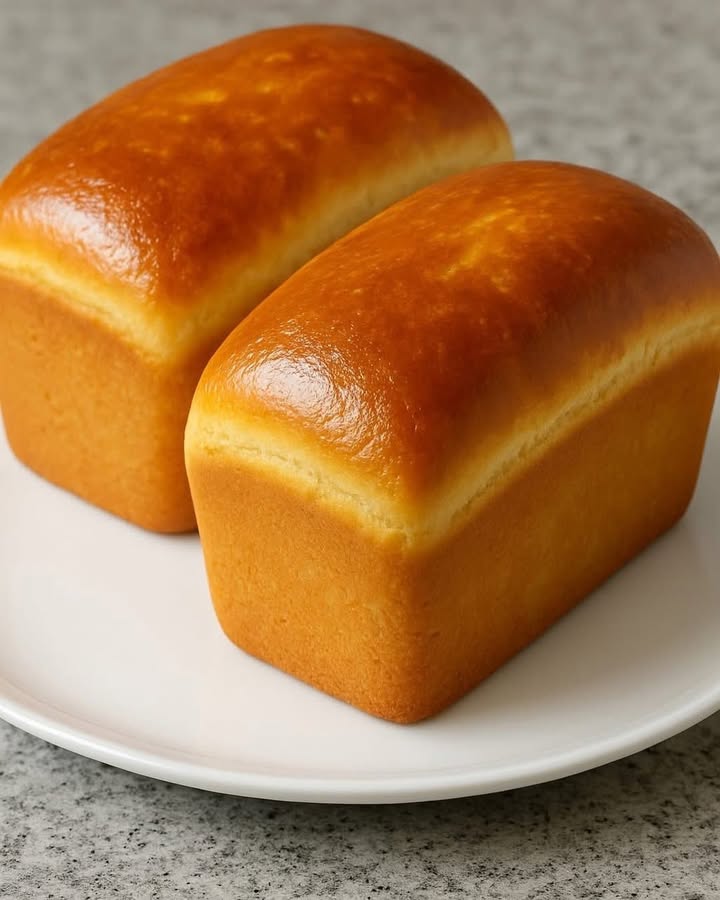
Blender Bread Effortless Comfort Baking That Feels Like a Hug
Have you ever stood in your kitchen at 7 a.m., craving something warm and comforting, only to remember that homemade bread usually means hours of kneading and waiting? Yeah, me too. That’s why I nearly cried happy tears the first time I made this blender bread. No fancy stand mixer. No aching arms. Just dump, blend, pour, and bake—and out comes the softest, fluffiest loaf you’ve ever smelled. I served it to my neighbor with butter and jam, and she asked if I’d bought it from “that fancy bakery downtown.” Nope—just my blender, a pinch of love, and 30 minutes of patience!
A Little Story Behind This Blender Bread Effortless Comfort Baking
This recipe isn’t straight out of a centuries-old cookbook—it’s a modern kitchen hack born from tired parents, busy schedules, and the magic of the humble blender. Back in the day, bread meant hours of labor: mixing, punching down, waiting, kneading again. But somewhere in the last decade, home cooks started wondering, “Can my blender do the work instead?” And guess what? It totally can! This version skips the kneading step because the blending action hydrates and activates the gluten gently, while the yeast does its slow, quiet magic during the short rise. It’s the perfect marriage of old-school flavor and new-school ease.
Why You’ll Absolutely Love This Recipe
First off, it’s stupidly easy. You don’t need to be a baker to pull this off—just someone who owns a blender and a 25 cm loaf pan. Second, the texture? Imagine biting into a cloud that’s been lightly toasted with golden edges. It’s tender, slightly sweet, and carries that buttery warmth we all crave. Plus, your kitchen will smell like heaven—warm milk, yeast, and sugar dancing together. And let’s not forget: it’s ready in under 90 minutes, start to finish. That’s faster than ordering delivery!
Perfect Moments for Your Blender Bread Effortless Comfort Baking
This loaf is your new best friend for:
- Lazy Sunday breakfasts with scrambled eggs and fresh fruit
- Afternoon tea with honey or Nutella
- School lunchbox sandwiches (yes, it holds up beautifully!)
- Impromptu dinner guests—just slice, warm, and serve with soup
- Midweek snack cravings when you need something warm and real
Ingredients You’ll Need
- 2 eggs
- 1 ¼ cups warm milk (not hot!)
- ¼ cup sugar
- ½ cup oil (vegetable, canola, or melted coconut oil)
- 1 pinch of salt
- 3 cups all-purpose wheat flour
- 1 packet (10 g) dry active yeast
Easy Substitutions
No eggs? Try ½ cup unsweetened applesauce or a flax egg (1 tbsp ground flax + 3 tbsp water).
Out of cow’s milk? Almond, oat, or soy milk work great—just warm them gently.
Prefer less sugar? Reduce to 2 tbsp—your bread will be less sweet but still tender.
Oil can be swapped for melted butter for a richer flavor (cool it slightly first).
Gluten-free? Use a 1:1 gluten-free flour blend, but note the texture will be denser (add 1 tsp xanthan gum if your blend doesn’t include it).
How to Make Your Blender Bread Effortless Comfort Baking
Step 1
Crack the eggs into your blender, then add the warm milk (about 110°F—like baby bathwater), sugar, oil, and that tiny pinch of salt. Blend on medium for 1 minute and 30 seconds until everything is smooth, pale yellow, and frothy. You’ll see tiny bubbles forming—that’s your cue the yeast will be happy later! Pro tip: Don’t skip warming the milk—it wakes up the yeast without killing it. Too hot, and your bread won’t rise. Too cold, and it’ll be sluggish.
Step 2
Pour that creamy golden liquid into a large mixing bowl. Now add 2 cups of flour. Stir with a wooden spoon or rubber spatula until just combined—it’ll look shaggy and thick, like pancake batter with too much flour. Don’t worry about lumps; they’ll disappear. This base gives your bread structure before the yeast joins the party.
Step 3
Take the last cup of flour and mix it in a small bowl with your dry yeast. This prevents clumping and ensures even rising. Gently fold this mixture into your batter until no dry streaks remain. The dough will be soft, sticky, and pourable—more like thick cake batter than traditional bread dough. That’s normal! Don’t add extra flour unless it’s watery (it shouldn’t be).
Step 4
Grease a 25 cm (10-inch) loaf pan with butter or non-stick spray. Pour the batter in—it should fill the pan about halfway. Smooth the top with a wet spatula. Now, cover loosely with a clean kitchen towel and let it sit in a warm spot for 30 minutes. Watch it puff up like a sleepy cat stretching in the sun! It won’t double, but it should rise about 25–30%. Chef’s tip: Place the pan near a turned-off oven with the light on—it creates the perfect cozy spot.
Step 5
While the dough rests, preheat your oven to 180°C (350°F). Once risen, pop the pan into the center rack. Bake for 30–35 minutes, or until the top is deep golden brown and a toothpick inserted in the center comes out clean. You’ll smell that magical toasty-bread aroma filling your home. Let it cool in the pan for 10 minutes before turning it out onto a wire rack. Resist slicing too soon—it needs a minute to set!
Timing at a Glance
- Prep time: 10 minutes
- Rising time: 30 minutes
- Baking time: 30–35 minutes
- Cooling time: 15 minutes
- Total time: About 1 hour 25 minutes
Chef’s Secret
For an extra-soft crust, brush the hot loaf with melted butter the second it comes out of the oven. The steam opens the pores of the bread, and the butter sinks right in—keeping it moist for days.
Fun Fact About This Recipe
Did you know that blending wet ingredients with flour actually develops gluten gently, without kneading? The high-speed action hydrates the proteins just enough for a tender crumb—making this method a legit shortcut that doesn’t sacrifice texture. Science in your kitchen!
Necessary Equipment
- Blender (any size works)
- 25 cm (10-inch) loaf pan
- Mixing bowl
- Wooden spoon or rubber spatula
- Measuring cups and spoons
- Cooling rack
How to Store Your Blender Bread Effortless Comfort Baking
Store your cooled loaf in an airtight container or bread box at room temperature for up to 3 days. The oil in the recipe keeps it from drying out quickly, so it stays soft even on day two. Just keep it away from direct sunlight or heat sources.
Want to keep it longer? Slice the bread first, then freeze in a zip-top bag for up to 3 months. Pop a frozen slice straight into the toaster—it’ll taste freshly baked! No need to thaw.
Avoid storing bread in the fridge—it speeds up staling. The cold environment makes the starches recrystallize, turning your soft loaf tough and dry overnight. Room temp or freezer only!
Tips and Advice
- Always check yeast freshness—if it’s older than 6 months, proof it in warm milk with sugar before using.
- Use a kitchen scale for flour if you can (360g for 3 cups) for perfect consistency.
- Add-ins like raisins, chocolate chips, or shredded cheese can be folded in at Step 3.
- For a shiny top, brush with milk or egg wash before baking.
Presentation Ideas
- Serve warm slices on a wooden board with mini bowls of jam, honey, and butter.
- Make mini loaves in muffin tins for cute individual portions.
- Dust with powdered sugar and serve with fresh berries for dessert.
- Turn into French toast the next morning—this bread soaks up custard beautifully!
Healthier Variations of Blender Bread Effortless Comfort Baking
Love this recipe but want to tweak it? Try these 6 easy twists:
- Whole Wheat Wonder: Swap 1½ cups all-purpose flour with whole wheat flour. Add 2 tbsp extra milk—the bran absorbs more liquid. You’ll get a nuttier, fiber-rich loaf.
- Oat & Honey Loaf: Replace sugar with 3 tbsp honey and add ½ cup rolled oats. Soak oats in warm milk for 5 minutes before blending for extra tenderness.
- Seeded Power Bread: Mix in 2 tbsp sunflower seeds, 1 tbsp flaxseeds, and 1 tbsp sesame seeds at Step 3. Toast the seeds first for deeper flavor.
- Dairy-Free Delight: Use almond milk and coconut oil. Add 1 tsp apple cider vinegar to boost rise and tenderness.
- Protein-Packed Loaf: Add 2 tbsp unflavored whey or pea protein powder with the flour. Reduce flour by 1 tbsp to balance.
- Cinnamon Swirl Style: Spread half the batter in the pan, sprinkle with cinnamon-sugar, then top with remaining batter. Swirl with a knife before baking.
Common Mistakes to Avoid
Mistake 1: Using Hot Milk That Kills the Yeast
If your milk is too hot (above 120°F), it will kill the yeast, and your bread won’t rise. I learned this the hard way—ended up with a dense brick! Always test milk on your wrist: it should feel warm, not hot. When in doubt, let it cool 2–3 minutes after heating. Pro tip: Use a thermometer if you’re new to yeast baking—it removes the guesswork.
Mistake 2: Overmixing After Adding Yeast
Once you add flour with yeast, mix just until combined. Over-stirring develops too much gluten, making your bread tough instead of tender. Think “gentle folds,” not vigorous beating. Your goal is even distribution, not smoothness.
Mistake 3: Skipping the Resting Time
Those 30 minutes aren’t optional! That’s when your yeast creates air pockets for softness. If you rush to the oven, your loaf will be dense and heavy. Set a timer, make a cup of tea, and let your dough dream of becoming bread.
Mistake 4: Baking in a Cold Oven
Your oven must be fully preheated. A cold start causes uneven rising and can leave the center gummy. Always wait for the preheat beep or light before sliding your pan in. Trust me—patience pays off in every golden slice.
Mistake 5: Cutting Into It Too Soon
I know it’s tempting! But slicing hot bread traps steam inside, making the crumb gummy. Let it cool at least 15 minutes. Use that time to melt butter or brew coffee. Your future self (and your toast) will thank you.
Frequently Asked Questions
Can I make this bread without a blender?
Yes! Just whisk the wet ingredients by hand until smooth. It’ll take a bit more elbow grease, but the result will be the same. The blender just speeds things up and ensures a uniform mix—great for busy mornings.
Why is my bread dense instead of fluffy?
Density usually means one of three things: expired yeast, milk that was too hot (killing the yeast), or insufficient rising time. Always check your yeast’s expiration date, use warm (not hot) milk, and give it a full 30 minutes in a cozy spot. A drafty kitchen can slow things down too!
Can I use instant yeast instead of active dry?
Absolutely! Use the same amount. Instant yeast activates faster, but since this recipe has a short rise, both work well. No need to dissolve it—just mix it with the last cup of flour as directed.
How do I know when the bread is done baking?
Look for a deep golden-brown top and listen for a hollow sound when you tap the bottom. Also, insert a toothpick or skewer—if it comes out clean with no wet batter, you’re good. If in doubt, use an instant-read thermometer; the internal temp should be 190–200°F (88–93°C).
Can I double the recipe?
Yes, but bake it in two separate loaf pans. Don’t cram it all into one pan—it won’t rise properly. Also, keep an eye on baking time; two loaves might need 35–40 minutes if your oven runs cool.
Is this bread good for sandwiches?
It’s perfect! The soft, slightly sweet crumb holds up well with fillings like turkey, cheese, or egg salad. Toast it lightly first if you’re using very wet ingredients (like tuna salad) to prevent sogginess.
Can I add herbs or garlic?
Definitely! For savory bread, reduce sugar to 1 tbsp and add 1 tsp dried herbs (rosemary, thyme) or 1 tbsp minced garlic with the wet ingredients. Try it with olive oil instead of neutral oil for an Italian twist.
Why does the recipe use oil instead of butter?
Oil keeps the crumb extra soft and extends shelf life. Butter adds flavor but can make the texture slightly more crumbly. That said, melted and cooled butter works great if you prefer its richness—just know the loaf may firm up faster at room temp.
Can I make rolls instead of a loaf?
Yes! Divide the batter into a greased muffin tin (fill each cup ⅔ full). Bake at 180°C for 18–22 minutes. They’re adorable, bake faster, and are perfect for dinner rolls or mini breakfast buns.
How can I make this bread vegan?
Easy! Use flax eggs (2 tbsp ground flax + 6 tbsp water), plant-based milk, and neutral oil. The texture will be slightly denser but still soft and delicious. Add 1 tsp apple cider vinegar to help with rise and tenderness.
Your New Go-To Loaf Is Waiting
This blender bread is more than just a recipe—it’s your ticket to stress-free baking, warm kitchens, and happy faces at the table. Whether you’re a busy parent, a college student with one appliance, or just someone who loves fresh bread without the fuss, this loaf delivers. So grab your blender, gather those simple ingredients, and give your family (or just yourself!) the gift of something warm, soft, and made with love. And hey—save me a slice with strawberry jam, will you?
Blender Bread Effortless Comfort Baking
Ingredients
Equipment
Method
- Crack the eggs into your blender, then add the warm milk, sugar, oil, and salt. Blend on medium for 1 minute and 30 seconds until smooth and frothy.
- Pour the mixture into a large mixing bowl and add 2 cups of flour. Stir until just combined; it will be thick and shaggy.
- In a small bowl, mix the remaining 1 cup of flour with the dry yeast and fold this into the batter until no dry streaks remain.
- Grease a 25 cm loaf pan and pour the batter in, filling it halfway. Cover loosely and let rise in a warm spot for 30 minutes.
- Preheat your oven to 180°C (350°F). Bake for 30–35 minutes until golden brown and a toothpick comes out clean. Cool for 10 minutes before turning out onto a wire rack.